Emotional Intelligence: Raising Emotionally Aware Children in a Changing World
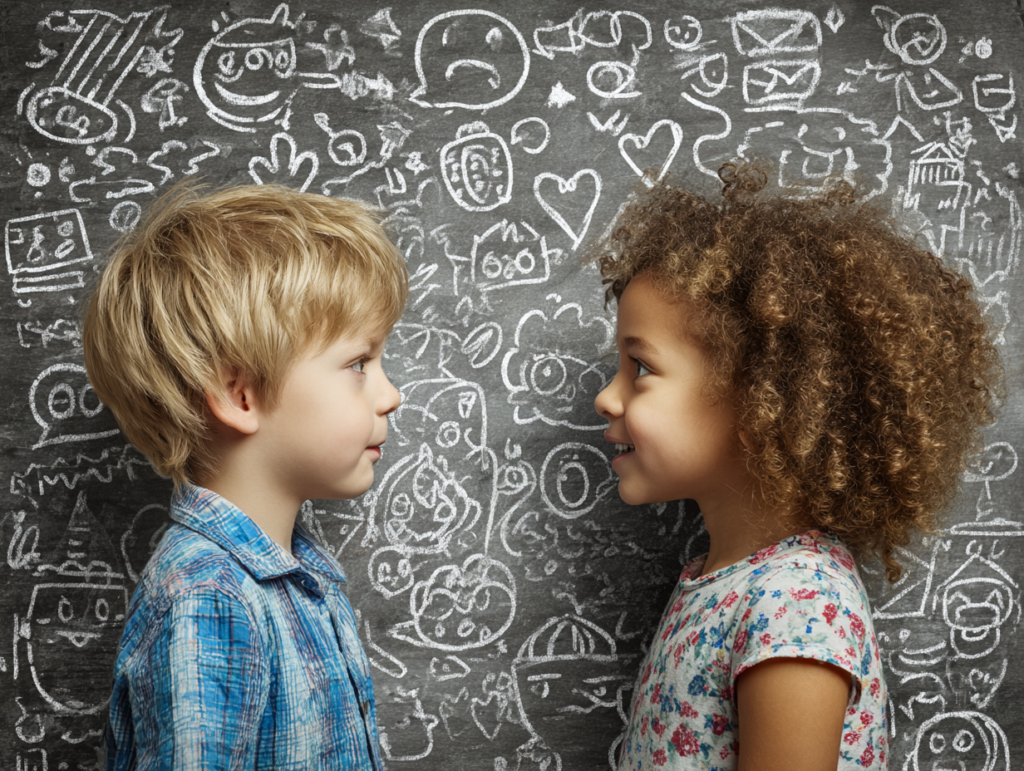
For much of modern history, intelligence has often been understood as the ability to think logically, solve problems, and acquire knowledge. Educational systems were largely designed around cultivating these abilities. Success in school, and often later in life, has traditionally been associated with how well someone can analyze information, memorize facts, and perform on tests.
Yet human life depends on another form of intelligence that is just as important, though often less visible.
Every day, people make decisions influenced by emotions. They navigate relationships, respond to stress, cope with disappointment, and interpret the feelings of others. The ability to recognize and manage these emotional experiences plays a profound role in mental health, social relationships, motivation, and resilience.
This set of abilities is often described as emotional intelligence.
Children who develop strong emotional intelligence tend to navigate challenges more effectively. They are better able to recover from setbacks, communicate their needs, cooperate with others, and build meaningful relationships. These abilities shape not only academic success, but also long-term wellbeing and psychological stability.
As the world grows more complex and technologically mediated, the ability to understand and regulate one’s emotional life may become even more important. Knowledge can increasingly be accessed instantly through technology, but the inner skills required to navigate human experience remain deeply personal and developmental.
Understanding emotional intelligence—and how it develops in childhood—has therefore become an essential part of understanding how children grow into resilient and capable adults.
What Emotional Intelligence Actually Is
Although the term emotional intelligence became widely known through popular psychology in the 1990s, the underlying idea has much deeper roots in psychology and developmental science. Researchers have long recognized that human intelligence is not limited to reasoning and problem-solving. Our ability to understand emotions—both our own and those of others—plays a central role in how we function in everyday life.
At its core, emotional intelligence refers to a set of abilities related to how people perceive, understand, and manage emotions.
One aspect of emotional intelligence is emotional awareness. This involves recognizing what we are feeling in a given moment. Many emotional reactions occur automatically, and without awareness they can easily shape behavior in ways we do not fully understand.
A second aspect is emotional understanding. Emotions are not random; they carry information about our experiences, needs, and perceptions. Learning to interpret emotions helps individuals understand why they react in certain ways and what their feelings might be signaling.
Another key component is emotional regulation. Rather than being controlled by emotional impulses, emotionally intelligent individuals gradually learn how to manage their responses. This does not mean suppressing emotions, but rather responding to them in constructive ways.
Emotional intelligence also includes empathy, the ability to recognize and understand the feelings of others. Empathy plays a crucial role in cooperation, friendship, and social trust.
Finally, emotional intelligence supports social understanding—the ability to navigate relationships, resolve conflicts, and respond appropriately in different social situations.
These abilities do not emerge fully formed. Like language, emotional intelligence develops gradually through experience, interaction, and guidance during childhood. Understanding how this process unfolds is essential for parents, educators, and anyone interested in supporting healthy child development.
How Emotional Intelligence Develops in Childhood
Children are not born with a fully developed ability to understand or regulate their emotions. In early childhood, emotional reactions are often intense, immediate, and difficult to control. A toddler who becomes overwhelmed by frustration or excitement does not yet have the internal tools needed to calm themselves or make sense of what they are feeling.
Emotional intelligence develops gradually through the child’s interactions with caregivers and the surrounding environment.
One of the most important processes in this development is co-regulation. Before children learn to regulate their own emotions, they rely on adults to help them manage overwhelming feelings. A caregiver comforting a distressed child, helping them name what they are feeling, or guiding them through frustration is not simply solving a momentary problem. These experiences gradually teach the child how emotional regulation works.
Over time, these external experiences become internal capacities. The child slowly begins to develop the ability to pause, reflect, and regulate emotional responses independently.
Language also plays an important role. When adults help children name emotions, children begin to recognize and categorize their internal experiences. Words such as frustration, disappointment, excitement, jealousy, or pride give children tools to understand what is happening inside their minds.
Social interaction further strengthens emotional development. Through play, cooperation, and occasional conflict, children learn to read the emotional signals of others. They begin to recognize how their actions affect other people, which supports the development of empathy and social awareness.
Moments of conflict can also be important learning opportunities. When disagreements occur and are later repaired through communication and understanding, children learn that relationships can survive mistakes and emotional tension. This process helps them develop resilience and trust in social bonds.
Researchers in developmental neuroscience, including Daniel Siegel, emphasize that emotional intelligence is closely connected to the integration of different brain systems. As children grow, they gradually learn to connect emotional reactions with reflective thinking. This integration allows them to respond to emotional situations with increasing flexibility and awareness.
In this sense, emotional intelligence is not simply a skill that can be taught through instructions. It emerges from a long developmental process shaped by relationships, experience, and guidance.
Why Emotional Intelligence Matters in the Modern World
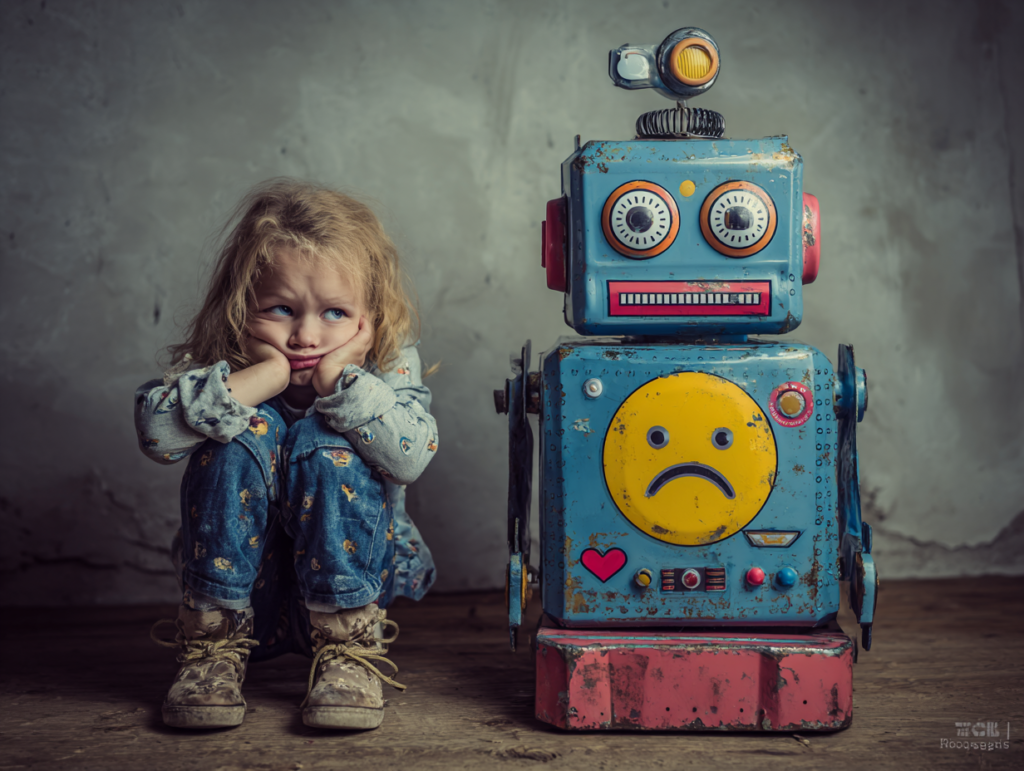
Emotional intelligence influences many aspects of human life that extend far beyond childhood. Research has shown that individuals who develop stronger emotional awareness and regulation tend to experience better mental health, more stable relationships, and greater resilience in the face of challenges. The ability to understand emotions can help people navigate conflict, cope with uncertainty, and make thoughtful decisions rather than reacting impulsively to momentary feelings.
In many ways, emotional intelligence functions as a kind of internal compass. It helps individuals interpret their own experiences and respond to the emotional signals present in everyday life.
This capacity has always been important. However, it may be becoming even more significant as the environments children grow up in continue to change.
Modern childhood increasingly includes environments that stimulate emotions in powerful ways. Digital media, social networks, and constant streams of information expose children to comparison, social pressure, and rapid feedback loops. Online environments can amplify feelings such as excitement, anxiety, rejection, or validation, often without providing the context or support that helps children understand these experiences.
In such environments, emotional reactions can easily become overwhelming or confusing, particularly for younger minds that are still learning how to interpret their internal world.
Emotional intelligence helps children navigate these complexities. It allows them to recognize when emotions are influencing their perceptions, to pause before reacting impulsively, and to develop a clearer understanding of what they are experiencing.
Rather than being carried by emotional currents, emotionally intelligent individuals gradually learn how to observe and interpret their feelings. This ability provides stability in environments that may otherwise feel chaotic or overstimulating.
As childhood becomes increasingly intertwined with digital systems and intelligent technologies, these internal skills may become even more essential.
Emotional Intelligence in the Age of Artificial Intelligence
The rise of artificial intelligence introduces a new dimension to the conversation about emotional development. AI systems are becoming increasingly capable of answering questions, generating ideas, and even simulating conversational empathy. Children may interact with intelligent systems that appear responsive, helpful, and emotionally aware.
While these technologies can offer useful tools for learning and exploration, they do not replace the developmental processes through which emotional intelligence is formed.
Emotional intelligence grows through real experiences—moments of frustration, cooperation, misunderstanding, reconciliation, and discovery within human relationships. These experiences require navigating uncertainty, interpreting subtle emotional signals, and learning how one’s actions affect others. AI systems can simulate aspects of conversation, but they cannot reproduce the full complexity of human emotional life.
Another emerging challenge is the possibility that children may begin to outsource parts of their emotional processing to technology. Instead of reflecting on their own feelings or discussing them with trusted people, they may increasingly turn to digital systems for reassurance, interpretation, or guidance. While occasional support from technology can be helpful, over-reliance may weaken the development of internal emotional skills.
Developing emotional intelligence helps children maintain an inner reference point when interacting with powerful technologies. When children understand their own emotions and motivations, they are less likely to depend entirely on external systems to interpret their experiences or validate their feelings.
In this sense, emotional intelligence supports the development of an internal psychological compass—one that allows individuals to remain grounded even as technologies become more capable of shaping attention, behavior, and decision-making.
As artificial intelligence continues to transform how children learn, communicate, and access information, the need for strong internal emotional capacities does not diminish. If anything, these capacities become even more important for navigating a world where intelligent systems are increasingly present in everyday life.
The Role of Schools
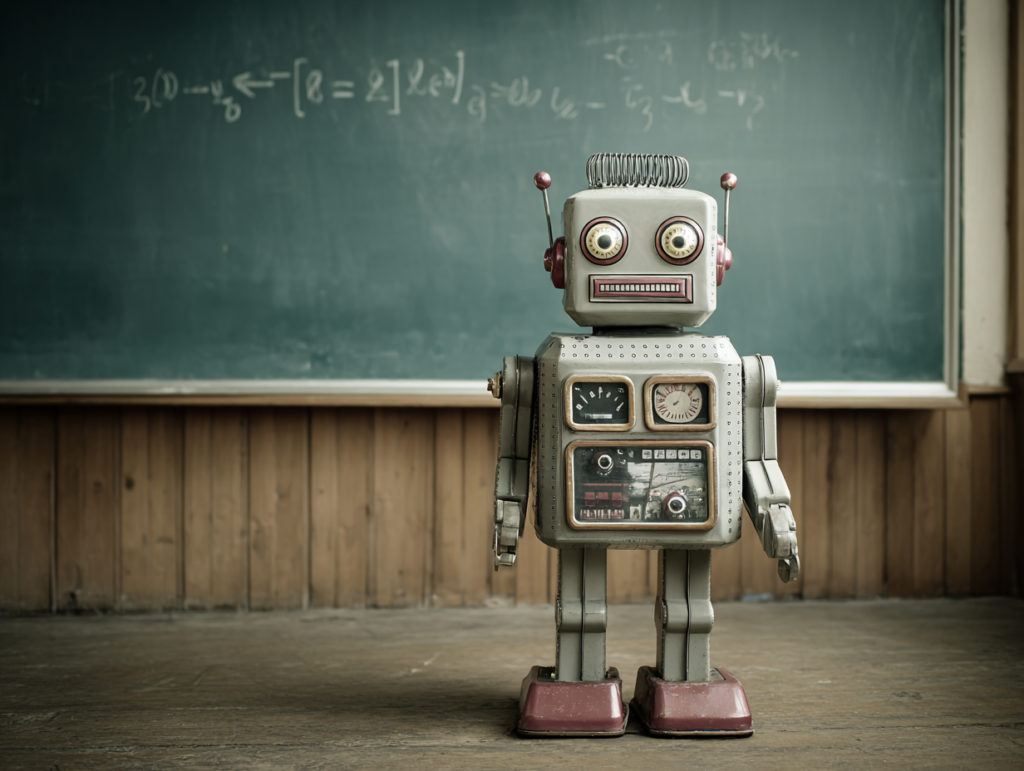
Schools have traditionally focused on developing children’s cognitive abilities—teaching them how to read, write, calculate, and analyze information. These skills remain essential, and educational systems have long been organized around cultivating intellectual knowledge and academic performance.
In recent decades, however, educators and researchers have increasingly recognized that cognitive development alone does not fully prepare children for the challenges of life. Many schools have begun incorporating programs that focus on social and emotional learning (SEL), which aim to help students develop skills such as emotional awareness, empathy, cooperation, and responsible decision-making.
These initiatives reflect a growing understanding that emotional development plays an important role in both learning and wellbeing. Children who are better able to manage their emotions often find it easier to concentrate, collaborate with classmates, and cope with academic challenges.
At the same time, schools face practical limitations. Classrooms are structured environments with limited time and large groups of students, which can make deep emotional guidance difficult. While educational systems can support emotional development, they cannot fully replace the role of relationships and everyday experiences in a child’s life.
For this reason, emotional intelligence should not be viewed as a skill that schools alone can teach through a specific curriculum. Rather, it emerges through a combination of educational guidance, social interaction, and the emotional environments children encounter in their daily lives.
As technology becomes more integrated into education and learning tools continue to evolve, schools will likely play an important role in helping students reflect on their experiences and develop emotional awareness. Yet the foundations of emotional intelligence remain deeply rooted in the broader contexts of family life, relationships, and human interaction.
The Role of Families
While schools can support emotional development, many of the most important foundations of emotional intelligence are formed within the everyday environment of family life. Children learn about emotions not only through instruction, but through the patterns of interaction they observe and experience at home.
One of the most powerful influences is modeling. Children closely observe how adults around them respond to stress, frustration, conflict, and disappointment. When caregivers demonstrate calm reflection, empathy, and constructive problem-solving, children gradually internalize similar ways of responding to emotional situations.
Another important factor is helping children recognize and name their emotions. When adults acknowledge a child’s feelings—whether excitement, anger, sadness, or disappointment—they help the child develop a clearer understanding of their internal experiences. This process builds emotional awareness and reduces confusion around strong feelings.
Families can also support emotional development by encouraging open conversation about experiences and reactions. When children are invited to reflect on situations—why something felt upsetting, what another person might have been feeling, or how a conflict could be resolved—they practice the skills that form the basis of empathy and emotional understanding.
At the same time, emotional intelligence develops most effectively when children encounter manageable challenges. Moments of frustration, disagreement, or failure are not simply obstacles to avoid; they are opportunities for learning. With supportive guidance, these experiences teach children how to tolerate discomfort, reflect on their reactions, and gradually strengthen their emotional resilience.
Through everyday interactions—conversations, conflicts, repair, and shared experiences—families provide the environment in which children begin to build the emotional capacities that will guide them throughout life.
Raising Whole Human Beings in a Technological World
As artificial intelligence and digital technologies continue to reshape how information is accessed and how people interact with the world, it becomes easy to focus primarily on cognitive skills—knowledge, technical ability, and intellectual performance. These abilities remain important, and they will continue to shape many aspects of education and work in the future.
Yet human development involves far more than the accumulation of knowledge.
Children grow into capable adults not only by learning how to think, but also by learning how to understand themselves, navigate relationships, and respond to the emotional realities of life. Emotional intelligence supports these capacities by helping individuals recognize their inner experiences, interpret the emotions of others, and respond to challenges with awareness rather than impulse.
In many ways, emotional intelligence provides a form of internal stability in a world that is constantly changing. Technologies may transform how children learn, communicate, and access information, but the fundamental processes of emotional development remain rooted in human relationships, reflection, and lived experience.
Helping children develop emotional intelligence therefore means helping them build an inner foundation—one that allows them to think clearly, relate to others with empathy, and remain grounded even as the environments around them evolve.
The goal of raising children in a technological age is not simply to prepare them to interact with increasingly intelligent machines. It is to support the development of thoughtful, resilient, and emotionally aware human beings who can navigate both the opportunities and the complexities of the world they will inherit.
Frequently Asked Questions
What is emotional intelligence in children?
Emotional intelligence in children is the ability to recognize, understand, and manage their own emotions while also understanding the emotions of others. It includes skills such as emotional awareness, empathy, emotional regulation, and social understanding, which help children navigate relationships and respond to challenges in healthy ways.
These abilities develop gradually as children interact with caregivers, peers, and their environment.
Why is emotional intelligence important for children?
Emotional intelligence helps children manage their feelings, build healthy relationships, and cope with stress or frustration. Children who develop strong emotional intelligence tend to show greater resilience, better social skills, and improved mental wellbeing.
These abilities support not only academic success but also long-term emotional stability and interpersonal understanding.
How do children develop emotional intelligence?
Children develop emotional intelligence through relationships and everyday experiences. Caregivers and teachers play an important role by helping children recognize emotions, talk about feelings, and learn how to respond constructively to challenges.
Over time, these experiences help children build the internal skills needed to understand and regulate their emotions.
Can emotional intelligence be taught?
Emotional intelligence cannot be taught through instruction alone, but it can be nurtured through supportive environments and guidance. When adults model emotional awareness, encourage reflection, and help children navigate difficult feelings, children gradually develop stronger emotional understanding and regulation.
This process happens naturally through consistent interaction and experience.
Does technology affect children’s emotional development?
Technology can influence emotional development by shaping how children communicate, compare themselves with others, and seek feedback or validation. While digital tools can offer learning opportunities, children still need real-world relationships and experiences to fully develop emotional intelligence.
Human interaction remains essential for learning empathy, emotional regulation, and social understanding.
At what age does emotional intelligence begin to develop?
Emotional intelligence begins developing in early childhood, even during infancy. Babies start learning about emotions through interactions with caregivers who respond to their needs and signals. As children grow, experiences such as play, social interaction, and guidance from adults gradually strengthen emotional awareness and regulation.
How can parents help children develop emotional intelligence?
Parents can support emotional intelligence by helping children name their emotions, listening to their experiences, and modeling healthy emotional regulation. Everyday interactions—such as discussing feelings, resolving conflicts calmly, and encouraging empathy—play a major role in helping children understand and manage their emotional world.